Danger level
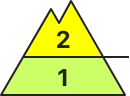
2000m
Avalanche Problem
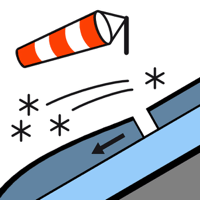
Wind slab
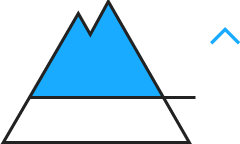
2000m

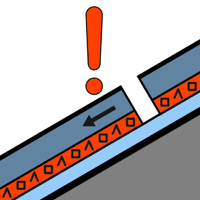
Persistent weak layer
2200m


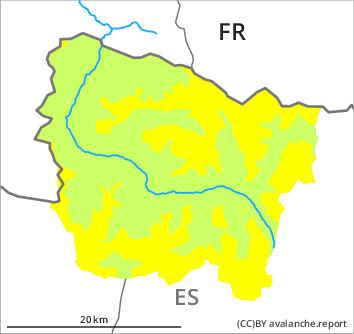
The mostly small wind slabs represent the main danger. Weak layers in the old snowpack necessitate defensive route selection.
The mostly shallow wind slabs can be released by a single winter sport participant in some cases in all aspects at intermediate and high altitudes. In particular adjacent to ridgelines and in gullies and bowls the wind slabs will increase in size as the day progresses. They are mostly small but prone to triggering.
Dry avalanches can additionally in some places be released in deeper layers in particular on little-used, rather lightly snow-covered shady slopes. Sometimes the avalanches in these loacations are medium-sized.
On very steep grassy slopes and on shady slopes individual gliding avalanches are possible.
Dry avalanches can additionally in some places be released in deeper layers in particular on little-used, rather lightly snow-covered shady slopes. Sometimes the avalanches in these loacations are medium-sized.
On very steep grassy slopes and on shady slopes individual gliding avalanches are possible.
Snowpack
>
Until Wednesday the weather will be cold. As a consequence of a light to moderate wind, mostly small wind slabs will form in the course of the day in all aspects.
Shady slopes, areas where the snow cover is rather shallow: Large-grained weak layers exist in the bottom section of the snowpack.
At intermediate altitudes there are 50 to 100 cm of snow, and even more in some localities. At elevated altitudes snow depths vary greatly, depending on the infuence of the wind.
Shady slopes, areas where the snow cover is rather shallow: Large-grained weak layers exist in the bottom section of the snowpack.
At intermediate altitudes there are 50 to 100 cm of snow, and even more in some localities. At elevated altitudes snow depths vary greatly, depending on the infuence of the wind.
Tendency
Wednesday: Gradual increase in danger of dry avalanches as a consequence of the new snow.