Danger level

2000m
Avalanche Problem

Persistent weak layer

2000m

Wet snow
1500m


The avalanche conditions at elevated altitudes are to some extent precarious.
Weakly bonded old snow is to be evaluated critically. Moist snow slides and avalanches as the day progresses.
Fresh snow and large quantities of wind-drifted snow of the weekend must be evaluated with care and prudence especially on very steep, little used shady slopes. This snow can be released in some cases. Caution is to be exercised in particular at the base of rock walls and behind abrupt changes in the terrain. In isolated cases the avalanches are dangerously large.
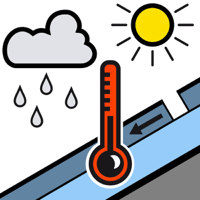
As a consequence of warming during the day and solar radiation more natural wet avalanches are to be expected, even medium-sized ones. Even during the day moist slab avalanches are possible. Moist avalanches can occur easily or triggered naturally.
Backcountry touring and other off-piste activities call for experience in the assessment of avalanche danger and restraint.
As a consequence of warming during the day and solar radiation more natural wet avalanches are to be expected, even medium-sized ones. Even during the day moist slab avalanches are possible. Moist avalanches can occur easily or triggered naturally.
Backcountry touring and other off-piste activities call for experience in the assessment of avalanche danger and restraint.
Snowpack
>
The new snow and wind slabs of the weekend are poorly bonded with the old snowpack in many places in particular on wind-protected shady slopes at intermediate and high altitudes. Released avalanches and weak layers in the upper part of the snowpack indicate poor snowpack stability.
The spring-like weather conditions as the day progresses will give rise to increasing moistening of the snowpack in particular on steep sunny slopes.
At intermediate altitudes there are 150 to 200 cm of snow, and even more in some localities. Snow depths vary greatly at high altitudes and in high Alpine regions, depending on the infuence of the wind.
The spring-like weather conditions as the day progresses will give rise to increasing moistening of the snowpack in particular on steep sunny slopes.
At intermediate altitudes there are 150 to 200 cm of snow, and even more in some localities. Snow depths vary greatly at high altitudes and in high Alpine regions, depending on the infuence of the wind.
Tendency
Thursday: Some snow will fall. The danger of dry and moist avalanches will decrease gradually.